Archery vs. Rifle Hunting: Which Method is Right for Your Next Hunt?
When planning your next guided hunt in Utah or Colorado, one of the most important decisions you'll make isn't about the location or the season—it's about your hunting method. Should you pursue elk with a rifle or a bow? Is archery hunting better for mule deer?
Both rifle hunting and archery hunting offer distinct advantages and present unique challenges. Your choice will impact your success rate, the experience itself, and how you approach your hunt from day one.
At SD Outfitters, we've guided hundreds of hunters using both methods across Utah's stunning elk country and Colorado's world-class mule deer terrain. In this comprehensive guide, we'll break down everything you need to know about archery vs. rifle hunting, so you can make the best decision for your skills, goals, and hunting style.
Rifle Hunting: The Modern Standard
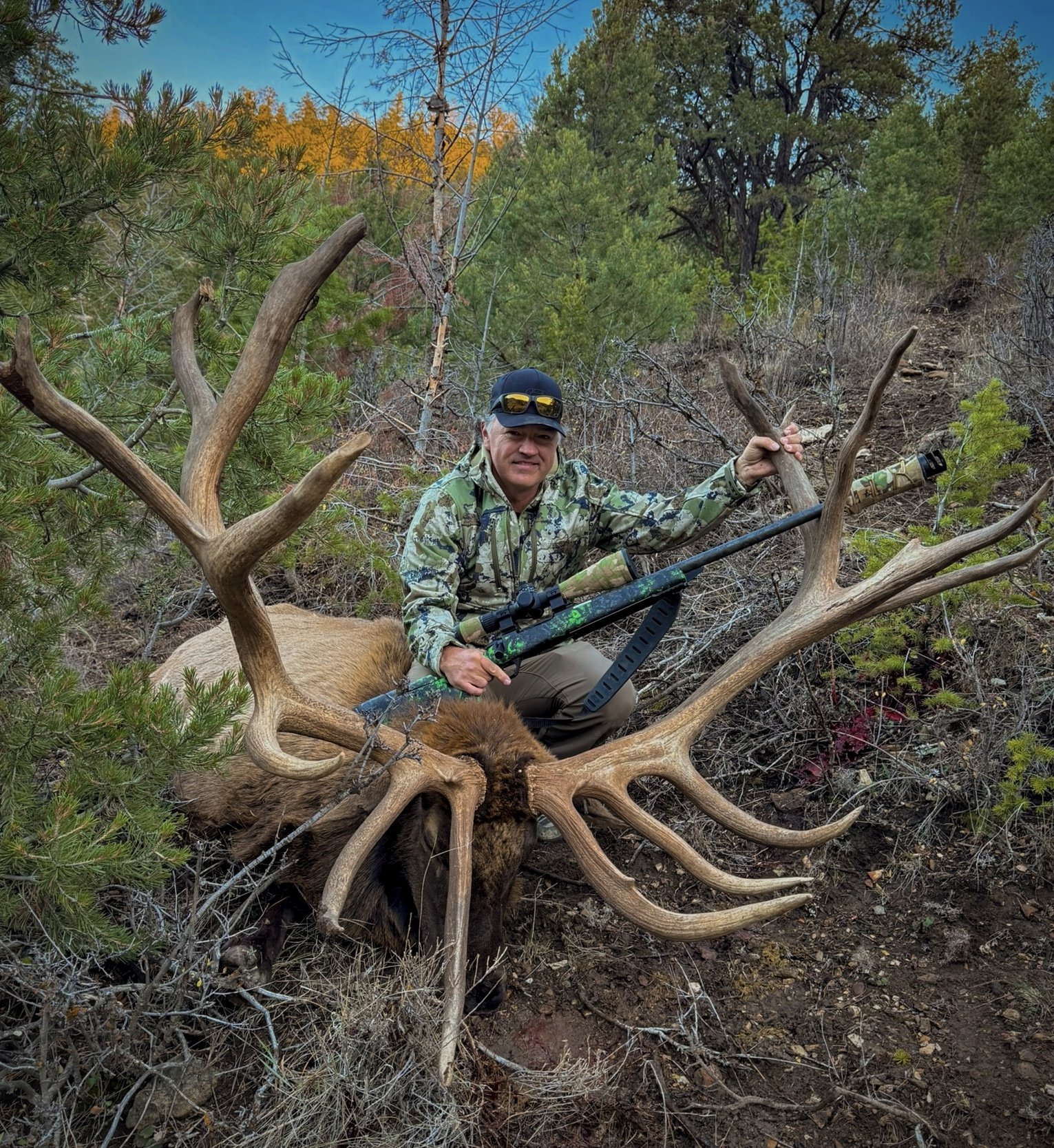
What is Rifle Hunting?
Rifle hunting—also called firearms hunting or gun hunting—is the use of a centerfire rifle to hunt big game like elk and mule deer. It remains the most popular hunting method in North America, offering hunters a longer effective range, faster learning curve, and higher success rates overall.
Advantages of Rifle Hunting
1. Longer Effective Range Rifle hunting allows you to take game at distances of 200–500+ yards, depending on your skills and equipment. This means:
More opportunities to spot and stalk game
Greater flexibility in positioning
Less pressure to get dangerously close to an animal
For elk hunting in Utah's vast, open terrain, this extended range is invaluable. You can glass a canyon, spot a bull, and plan a stalk with multiple approach options.
2. Faster Learning Curve A skilled rifleman can become an effective hunter in a single season. Rifle shooting fundamentals (zeroing, breathing, trigger control) are easier to master than archery mechanics. Most hunters reach competence much faster with a rifle than with a bow.
3. Higher Success Rates Statistics consistently show that rifle hunters have higher success rates than bow hunters. According to hunting data:
Rifle elk hunters: 10–25% success rate (varies by region and private vs. public land)
Bow elk hunters: 5–15% success rate
4. More Forgiving Caliber Options Modern centerfire rifles come in various calibers suitable for elk and mule deer. Popular choices include:
.30-06 Springfield – The classic, reliable choice
7mm Remington Magnum – Flat-shooting, popular for long-range
.300 Winchester Magnum – High velocity, excellent for elk
.308 Winchester – Accurate, less recoil than magnum calibers
Each offers different ballistics and recoil profiles, giving hunters options based on their preference and experience level.
5. Better in Adverse Weather Rifles perform reliably in snow, rain, and wind. Your hunting season won't be derailed by weather the way bow hunting might be.
6. Reduced Physical Demands While you'll still need to be in good shape for high-altitude hunting in Utah and Colorado, rifle hunting doesn't require the upper-body strength and conditioning that archery demands.
Disadvantages of Rifle Hunting
1. Shorter Season Availability Rifle elk seasons are shorter and more competitive than archery seasons. In Utah, rifle elk seasons typically last 15–20 days, while archery seasons span 2+ months. This means:
Less flexibility in scheduling
More crowded hunting areas (on public land)
Higher tag costs in some regions
2. More Regulations and Restrictions Rifle hunting is heavily regulated with restrictions on caliber, ammunition, and method. Some areas are rifle-only, while others prohibit rifles near populated zones.
3. Louder Report Spooks Game The sound of a rifle shot can alarm other animals in the area, ending your hunt for the day if you've been hunting with a group or want to pursue additional game.
4. Less Immersive Experience Some hunters feel that rifle hunting is "easier" and thus less rewarding than the challenge of bow hunting. The extended range means less direct engagement with the animal.
Archery Hunting: The Challenge and Reward
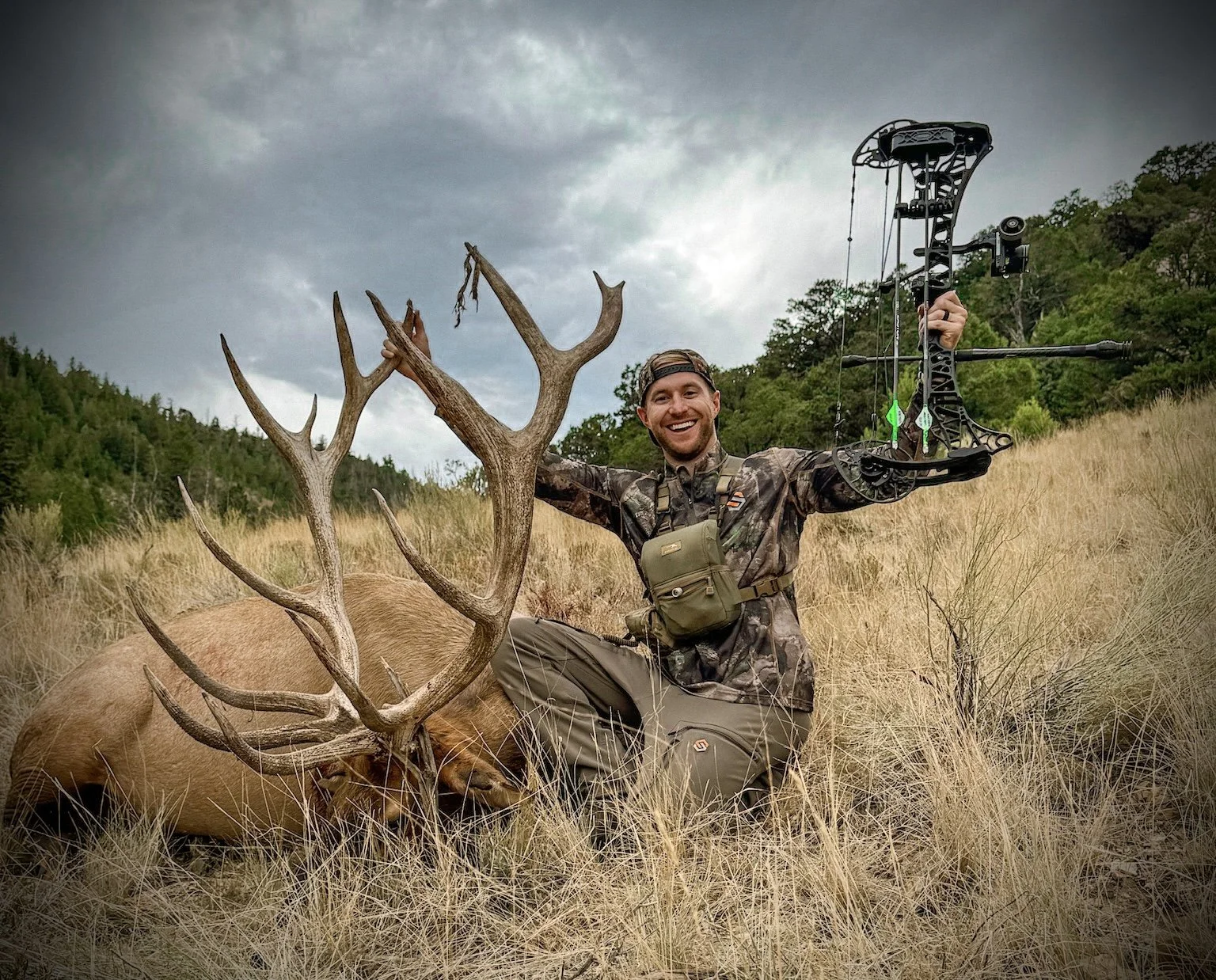
What is Archery (Bow) Hunting?
Archery hunting uses a compound bow, recurve bow, or longbow to hunt big game. It requires the hunter to get significantly closer to their quarry—typically within 20–50 yards—making it a more intimate and demanding hunting experience.
Advantages of Archery Hunting
1. Extended Season Length Archery seasons are dramatically longer than rifle seasons. In Utah, archery elk seasons run from late August through September—often 60+ days. This extended window means:
More flexibility in scheduling your hunt
Less crowded hunting areas
Better opportunities for hunting during peak elk activity (the rut)
2. Less Competition and Crowding Fewer hunters pursue archery, especially during the early season. This means less pressure on game and more hunting opportunity for those who choose the bow.
3. More Intimate Experience Drawing on an animal at 30 yards and making a clean, ethical harvest is arguably the most thrilling moment in hunting. The challenge and proximity create an unforgettable experience and deep connection to the hunt.
4. Archery-Only Areas Some of the best private land hunting is archery-only, offering lower hunter density and premium opportunities.
5. Year-Round Practice You can practice archery year-round in your backyard or at an indoor range. Rifle shooting requires more dedicated range time and facilities.
6. Lower Sound Signature A bow shot is quieter than a rifle report, meaning other animals nearby may not be alarmed, allowing for multiple opportunities in a hunt.
7. Aesthetic and Traditional Appeal Many hunters feel archery connects them to hunting heritage and tradition. The skill, patience, and craft involved in bow hunting appeal to a specific mindset.
Disadvantages of Archery Hunting
1. Steep Learning Curve Becoming a proficient bow hunter takes 12–24 months of dedicated practice. You need to:
Master proper form and technique
Build muscle memory and consistency
Learn arrow flight, trajectory, and drop at various distances
Understand broadhead selection and performance
Practice in realistic hunting scenarios
This is a significant barrier compared to rifle hunting.
2. Shorter Effective Range The effective range for ethical archery hunting is 20–40 yards for most hunters. Beyond 40 yards, accuracy and energy decrease dramatically. This means:
You must get significantly closer to game
More difficult stalks required
Fewer opportunities if you don't position yourself well
Wind direction becomes critical
3. Lower Success Rates As noted above, archery success rates are typically 5–15%, compared to 10–25% for rifle hunting. This is primarily due to:
Difficulty getting within bow range
Increased potential for poor shot placement at close range
More time required to practice and prepare
4. Physical Demands Drawing a bow requires upper-body strength. At high elevations in Utah or Colorado, the thin air combined with physical exertion can be taxing. Most bows require 50–70+ pounds of draw weight for elk hunting.
5. More Gear-Dependent Archery success depends heavily on:
Bow tuning and maintenance
Arrow selection
Broadhead type and sharpness
Release aid reliability
Sight and rest quality
A rifle, by comparison, is simpler and more forgiving once properly zeroed.
6. Weather Sensitivity High winds can affect arrow flight. Rain on your bowstring and wrist can impact performance. Archery is more weather-dependent than rifle hunting.
7. Closer Encounters with Danger Getting within 30 yards of a wounded elk or mule deer buck increases personal risk. A rifle provides more distance and stopping power if something goes wrong.
Which Method is Right for You?
Choose Rifle Hunting If:
You're a beginner with limited hunting experience and want to become successful quickly
You have limited time to practice and prepare before your hunt
You prefer longer-range hunting with more flexibility in positioning
You want higher success rates and more opportunities to connect
You're hunting in harsh weather conditions or unpredictable seasons
Physical limitations prevent you from drawing a bow or engaging in intense stalking
You want a more forgiving learning curve with faster competency gains
Rifle hunting is ideal for first-time hunters and those seeking a higher probability of success.
Choose Archery Hunting If:
You're willing to invest time in learning proper form and technique
You want a longer season with more flexible scheduling
You seek a more intimate, challenging experience with trophy-class animals
You're physically capable of handling a compound bow and sustained exertion
You want to hunt less-crowded areas even on public land during peak seasons
You enjoy the tradition and craft of archery
You prefer hunting during the rut (August–September in Utah) when elk are most active and vocal
You're prepared to practice year-round to maintain skills
Archery hunting is ideal for experienced hunters seeking challenge, solitude, and deeper connection to the hunt.
Pro Tips from SD Outfitters Guides
Based on years of guiding hunters in Utah and Colorado, our experienced guides recommend:
For Rifle Hunters:
When you arrive at camp, practice shooting at your hunt elevation
Zero your rifle at 200 yards (not 100) for better long-range accuracy
Bring quality optics (quality glass matters more than rifle quality)
For Archery Hunters:
Practice 3–5 times per week for 3 months before your hunt
Shoot broadheads during practice (not just field points)
Learn to judge distance accurately—this is critical at 30 yards
Consider a rangefinder for distance confirmation in the field
Mental preparation is as important as physical practice
The Bottom Line: Archery vs. Rifle Hunting
There is no "best" hunting method—only the best method for you.
If you're new to hunting or have limited time to prepare, rifle hunting offers a faster path to success with higher probability of harvest. It's the right choice for hunters who prioritize results and efficiency.
If you're an experienced hunter seeking the ultimate challenge, deeper engagement with your prey, and a season-long opportunity, archery hunting delivers an incomparable experience. The satisfaction of a close-range harvest and the extended season make it worth the investment.
The best part? You don't have to choose just one. Many hunters pursue both methods in different seasons, enjoying the unique rewards each offers.
Ready to Plan Your Hunt?
Whether you choose to hunt with rifle or archery, the guides at SD Outfitters are experienced with both methods and ready to help you succeed. We specialize in guided elk hunts in Utah and mule deer hunts in Colorado, offering:
Private land access for less crowding and more opportunities
Experienced guides trained in both rifle and archery hunting
Flexible seasons to match your preferred hunting method
All-inclusive accommodations and meals
Whether you're preparing for your first hunt or your fiftieth, let our guides help you make the most of your hunting experience.
Reserve Your Hunt Today or call us at 801-391-2731 to discuss which hunting method is best for your goals and experience level.
Frequently Asked Questions
What is the easiest hunting method for beginners?
Rifle hunting is significantly easier for beginners. You can become competent in a single season, and success rates are higher. We recommend rifle hunting for first-time hunters.
Can a beginner succeed with a bow?
Yes, but it requires dedication. We recommend that beginning archery hunters have at least one previous hunting season of experience with another method, plus 6–12 months of archery practice.
Which method gives better success on SD Outfitters hunts?
On our private land, rifle hunters typically see 20–30% success rates, while archery hunters see 15–25%. Both methods are viable on our properties.
Do I need to choose one method or can I do both?
Many hunters pursue both! Some hunt archery in August during the rut, then return for rifle season in September or October. Others alternate years.
What happens if I'm not sure which method to choose?
Contact SD Outfitters! Our guides can discuss your experience level, schedule, and goals to recommend the best method for your situation. We offer hunts for both methods and can match you with the right approach.
What's the most important skill for archery hunting?
Consistent practice. Shot placement at 30 yards requires muscle memory developed through hundreds of arrows downrange. Mental toughness is equally important—you must stay calm and focused when a bull is 30 yards away.
What's the most important skill for rifle hunting?
Accurate shooting at distance. Being able to hit vital organs at 200–400 yards separates good rifle hunters from average ones. This requires quality equipment, proper shooting technique, and practice in realistic hunting scenarios.
Can I hunt with both rifle and archery in the same season?
This depends on local regulations. In some areas and seasons, yes. Contact your state's Department of Wildlife to confirm what's legal in your region.
What should I bring for a guided hunt?
Check the SD Outfitters [hunting guide checklist] for a complete list, but essentials include:
Rifle or bow properly sighted/tuned
Ammunition or arrows and broadheads
Binoculars and rangefinder
Warm clothing (it's cold in the mountains!)